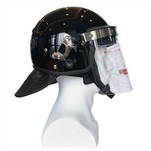
The most technologically advanced helmet is rendered useless if it does not fit correctly. A proper fit ensures the helmet stays in the optimal position to protect the head during a fall. The key areas to assess are circumference, front-to-back length, and oval shape. The helmet should sit level on the head, about one inch above the eyebrows, and should not rock forward, backward, or side-to-side when secured.
The cheek pads should provide gentle, even pressure without causing discomfort. The retention system (the harness and buckle) must be snug under the chin, allowing only one or two fingers to fit between the strap and the jaw. A loose helmet can shift or come off entirely upon impact, while a too-tight helmet can cause pain, headaches, and distract the rider.
Different brands cater to different head shapes-some are more round, while others are more oval. Trying on multiple brands and models is crucial. The efficacy of a perfect fit is security and consistent protection. It allows the helmet's safety systems to function as intended, with the inner liner making full and even contact with the skull to absorb impact forces effectively. Never compromise on fit for style; it is the single most important factor in helmet safety.