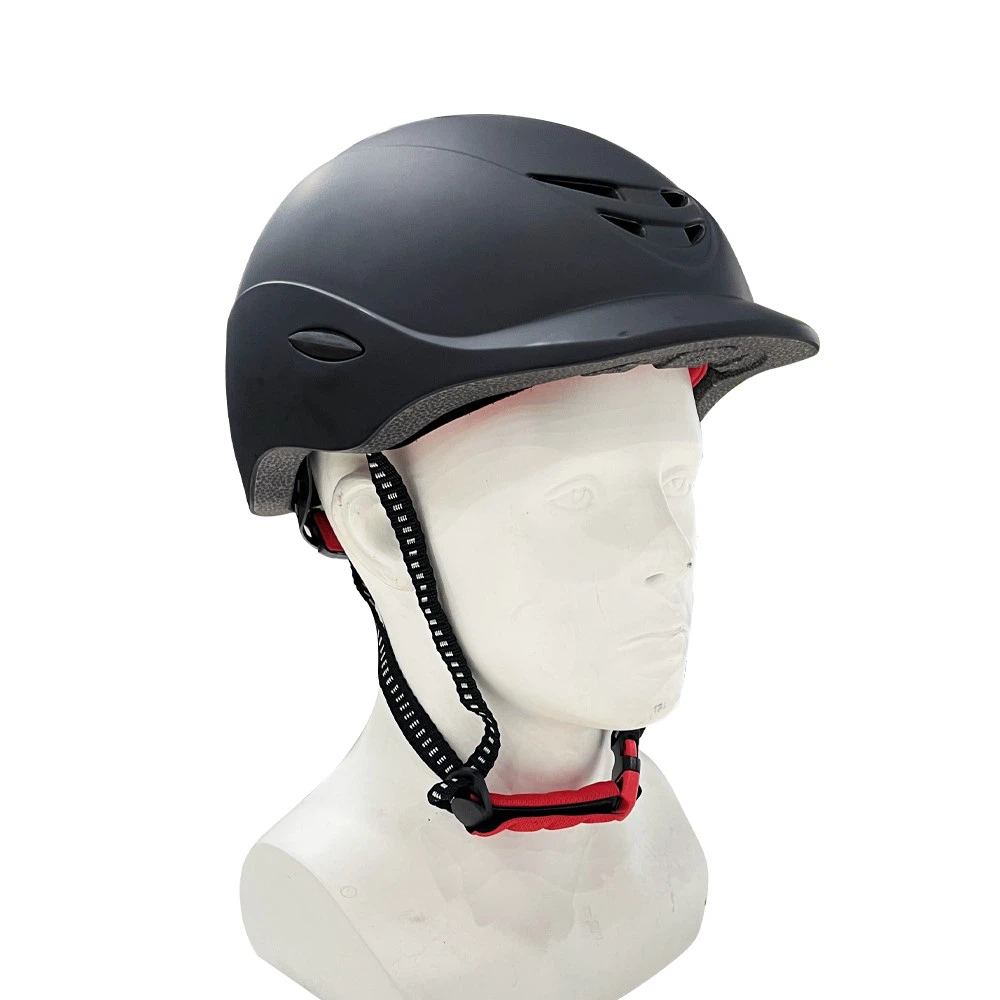
A helmet's exterior shell is just the first line of defense. The real hero in impact protection is the internal structure, typically made of Expanded Polystyrene (EPS) foam. This material is engineered to be crushable. Upon impact, the foam cells collapse in a controlled manner, absorbing the kinetic energy that would otherwise be transmitted to the skull and brain. This process is irreversible, which is why helmets must be replaced after any significant impact, even if the shell looks intact.
Modern advancements include multi-density liners. These use softer foam in certain areas to manage lower-speed impacts and firmer foam elsewhere to handle higher-energy crashes without bottoming out. Some premium helmets also feature composite shells combining materials like carbon fiber for exceptional strength-to-weight ratios. The integration of technologies like MIPS (Multi-directional Impact Protection System) adds a low-friction layer inside the helmet, designed to reduce rotational forces transmitted to the brain during angled impacts.
The efficacy of this hidden engineering is a reduction in peak acceleration (G-forces) acting on the brain, directly correlated to preventing concussions and more severe traumatic brain injuries. Choosing a helmet means looking beyond aesthetics and seeking out those with advanced liner technology and reputable safety certifications, ensuring this complex internal system is optimized to protect you.