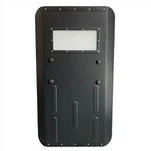
The choice between flexible and rigid stab armor defines the wearer's mobility and level of protection. Soft stab armor, made from layers of densely woven UHMWPE or Aramid, is lightweight, flexible, and concealable under clothing. It offers excellent protection against slashing attacks and many thrusting threats, making it ideal for correctional officers, security guards, and anyone who needs protection without a visible profile. Hard stab armor, incorporating materials like stainless steel plate or mail, offers superior resistance against focused puncturing threats like ice picks and needles. However, this comes at the cost of significantly increased weight, reduced flexibility, and the inability to conceal it. Hard armor is typically used in overt, high-threat scenarios like prison riots or by tactical teams where the primary threat is determined, high-energy punctures rather than slashes.
Core Knowledge:
Soft Armor (Flexible): Made from advanced fibers. Best for slashing and lower-energy stabbing threats. Offers concealability and comfort for long-term wear.
Hard Armor (Rigid): Made from metal plates or mesh. Best for high-energy punctures and spikes. It is heavier and less flexible but offers superior puncture resistance.
Threat Dictates Choice: The expected weapon determines the choice: blades suggest soft armor; ice picks and needles suggest hard armor.
Weight vs. Protection: The decision is a trade-off between the comfort and concealment of soft armor and the ultimate puncture resistance of hard armor.