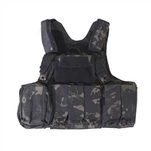
Gone are the days when safety vests were bulky, restrictive foam panels. The advent of the inflatable equestrian air vest has revolutionized rider protection, offering unprecedented safety without sacrificing mobility. But how does this modern piece of equipment actually work to save lives? The usage scenario is any time a rider is in the saddle, particularly during cross-country jumping, eventing, or even everyday hacking where the risk of a fall is ever-present.
These vests are typically worn over a riding shirt and under a jacket. They contain a compact gas canister and a sophisticated trigger mechanism, often connected to the saddle via a lanyard. In the event of a fall, the sudden separation between rider and horse pulls the lanyard, activating the mechanism and puncturing the canister. This releases compressed gas (usually CO2) into the airbag bladders housed within the vest, causing it to inflate in milliseconds-often before the rider even hits the ground.
The primary efficacy is to protect the rider's most vulnerable areas: the spine, ribs, and internal organs. Upon inflation, the vest creates a protective cocoon that absorbs and dissipates the massive forces of impact. It significantly reduces the risk of catastrophic injuries such as broken ribs, punctured lungs, and spinal cord damage. The materials, including durable outer shells and robust inner bladders, are designed for this single, critical event.
Choosing an air vest requires careful consideration. Riders must ensure it fits snugly but comfortably and is compatible with their chosen discipline. The lanyard must be securely attached and the correct length. Most crucially, the vest must be certified to a recognized safety standard. It's not just another piece of gear; it's a technologically advanced safety system that has already saved countless riders from life-altering injuries, making it an indispensable tool for the modern equestrian.