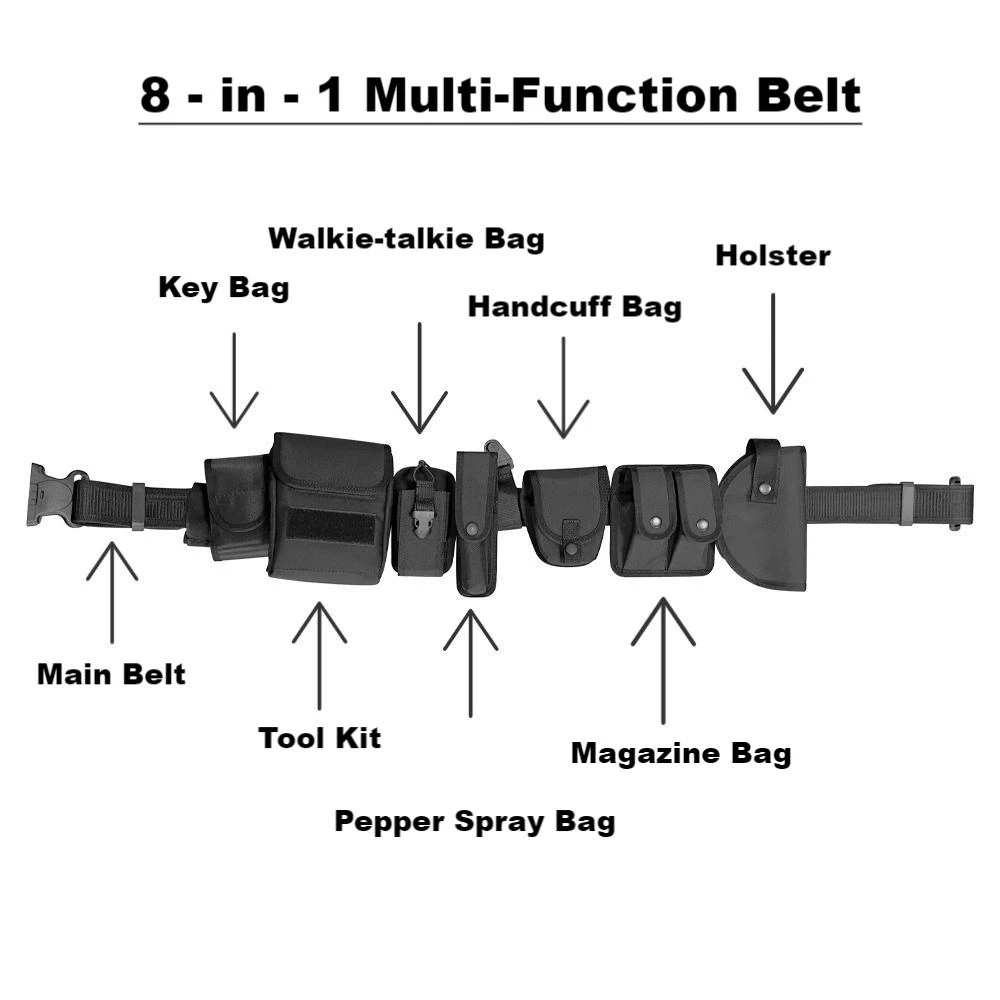
A tactical belt system is only as strong as its foundation. While the outer belt gets all the attention, the inner belt is the critical, unsung hero that determines overall stability, comfort, and security. Neglecting this component can render even the most expensive outer belt and pouches ineffective and uncomfortable.
Core Knowledge:
The Anchor Point: The inner belt, typically made of stiff webbing with a low-profile hook (rough side Velcro) surface, is worn through your pant loops. It acts as the permanent anchor point. The high-pile loop (soft side Velcro) on the outer belt attaches to it, creating an incredibly secure connection that won't shift or sag.
Stiffness is Key: A flimsy inner belt will twist and fold under the weight of a loaded outer belt, transferring all the pressure to a few points on your hips. A properly stiff inner belt distributes the weight evenly around your entire waistline, preventing hot spots and allowing you to carry more weight comfortably for longer periods.
Comfort and Concealment: A good inner belt should be comfortable enough to wear all day on its own. It often features a soft-lined backing and a low-profile buckle that lies flat, preventing printing under clothing and eliminating discomfort when sitting or moving.
System Compatibility: Most inner belts are designed to be part of a specific manufacturer's ecosystem (e.g., Velcro One-Wrap systems). Ensuring compatibility between your inner and outer belt is non-negotiable for achieving the advertised performance and security.