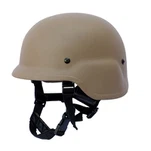
The web of straps inside a helmet, known as the suspension system, is far more than a simple sizing tool. It is a critical safety component, engineered to manage energy and protect the brain from traumatic injury.
Core Knowledge:
Creating Standoff Distance: The primary function is to create a space between the hard shell of the helmet and the wearer's skull. This air gap is crucial for allowing the helmet to deform and absorb energy upon impact without transmitting the full force directly to the head.
Energy Distribution & Management: Upon impact, the suspension system stretches and allows the helmet to move slightly. This action slows down the transfer of energy to the head, reducing the peak force experienced by the brain and lowering the risk of concussion or more severe Traumatic Brain Injury (TBI).
Comfort & Stability: A well-designed suspension keeps the helmet stable on the head during dynamic movement, preventing it from shifting and obstructing vision. It also promotes airflow, reducing heat buildup and making the helmet more comfortable to wear for extended periods.
Component of a System: The suspension works in tandem with the energy-absorbing foam pads that contact the head. The pads crush to absorb energy, while the suspension manages the overall movement and fit of the system.