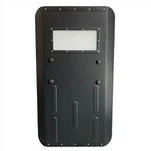
The choice between ceramic and polyethylene (UHMWPE) cores is fundamental in selecting ballistic plates. Ceramic plates, typically made from silicon carbide or boron carbide, excel against high-velocity rifle rounds and armor-piercing threats. They work by shattering the projectile upon impact, dissipating its energy. However, they are heavier and can be brittle, potentially degrading after multiple hits.
UHMWPE plates are significantly lighter and offer excellent multi-hit protection against many common rifle calibers, but may be vulnerable to extreme heat and certain piercing rounds. The decision often boils down to the mission profile: ceramic for maximum protection in high-threat scenarios, and polyethylene for operations where weight and mobility are paramount. Hybrid solutions are also emerging, combining the strengths of both materials.