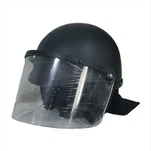
A riot shield, typically made from materials such as polycarbonate, fiberglass, or composite plastics, is primarily designed to protect law enforcement officers or security personnel during crowd control situations. Its main function is to shield the user from blunt force trauma, thrown objects, and chemical agents such as pepper spray. However, the question of whether a riot shield can stop a bullet is more complex, as it depends on several factors, including the shield's material, thickness, the type of bullet, and the distance from which it is fired.
Material and Construction
Most standard riot shields are not designed to withstand bullets. These shields are built to handle impact from rocks, bottles, or other projectiles commonly thrown in violent crowds, but they are not equipped with the same ballistic protection as body armor. Riot shields are generally made from durable, impact-resistant materials, but they lack the thickness and layers required to stop high-velocity rounds like those fired from handguns or rifles. Some riot shields may incorporate bulletproof materials such as Kevlar or have a combination of polycarbonate with additional layers designed to resist firearm projectiles, but even these shields are limited in their effectiveness against more powerful bullets.
Types of Bullets
The ability of a riot shield to stop a bullet largely depends on the type of ammunition being used. Low-caliber handgun bullets, such as those fired from a 9mm pistol, are more likely to be stopped by specially designed shields made with ballistic-resistant materials. However, higher-caliber rounds, such as those fired from rifles or military-grade weapons, can easily penetrate standard riot shields. For example, a 5.56mm NATO round or a 7.62mm round fired from an assault rifle would almost certainly penetrate most riot shields, even those with reinforced materials.
Shield Design for Ballistic Protection
Some manufacturers produce riot shields with integrated ballistic protection. These shields, often referred to as ballistic shields, are built with layers of ballistic-resistant fibers like Kevlar, aramid, or advanced composites to provide a higher level of protection. These shields are designed to stop handgun rounds, and some are rated to stop rifle rounds as well, depending on the level of protection they are designed to offer. For example, a Level III or Level IV ballistic shield is capable of withstanding high-velocity rounds, but these are much thicker, heavier, and more expensive than standard riot shields.
Distance and Bullet Velocity
The distance from which the bullet is fired also plays a crucial role in whether a riot shield can stop a bullet. The closer the shooter is to the target, the more energy the bullet will have upon impact. A shield may be able to stop a bullet fired at a longer range, but the same shield might not offer sufficient protection at close range due to the increased velocity and energy of the projectile.